


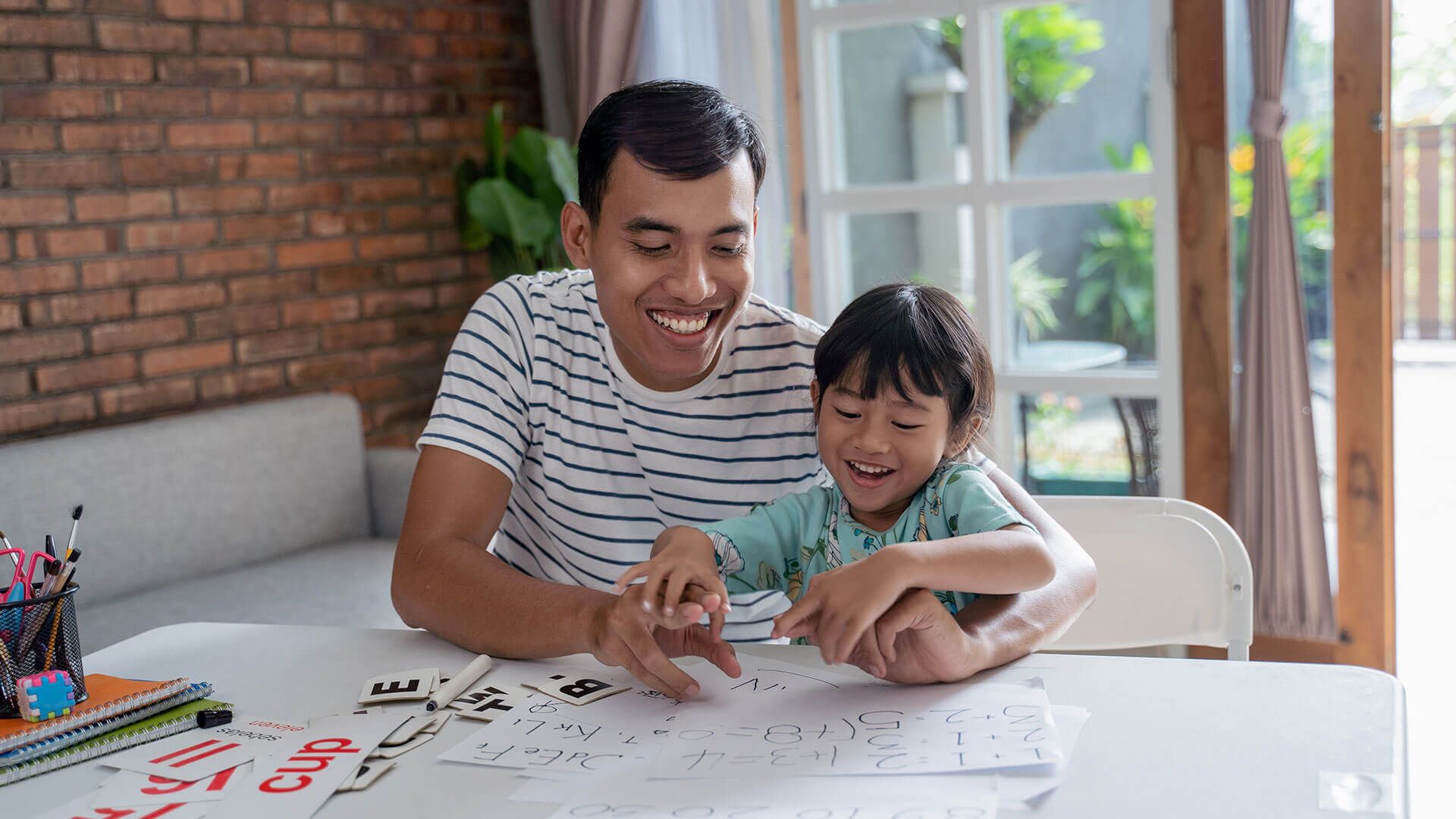




Children only spend a few structured hours a day in school, but learning continues long after the last school bell rings. It happens at home, through daily routines, conversations, habits, and everyday experiences that often go unnoticed.
January often feels like a reset for the families. New school terms begin, routines are reshaped, and there’s a renewed sense of hope for the year ahead. In conjunction with the UNESCO International Day of Education on 24 January, it is a timely reminder that education goes far beyond classrooms, exams, and report cards.
Home as the First Learning Environment
Before children worry about grades or assessments, they absorb the world around them. What they see and experience daily shapes how they feel about learning itself.
When books, stationery, or creative tools are within easy reach, curiosity feels natural rather than forced. It reflects the idea that “learning begins at home,” long before formal schooling comes into play. A child who grows up seeing learning materials as part of everyday life is more likely to view learning as something normal and enjoyable, not just something tied to school.
A learning space does not need to be big or expensive. Even a small corner with a desk, shelf, or box for school items sends a clear message: learning is valued here. Sometimes, it really is the little things that make a big difference.
Did you know?
In countries like Singapore, home-based learning did not end with the pandemic. Continuing parts of the curriculum at home helped students become more independent and take greater responsibility for their own learning.
Habits, Responsibility, and Organisation
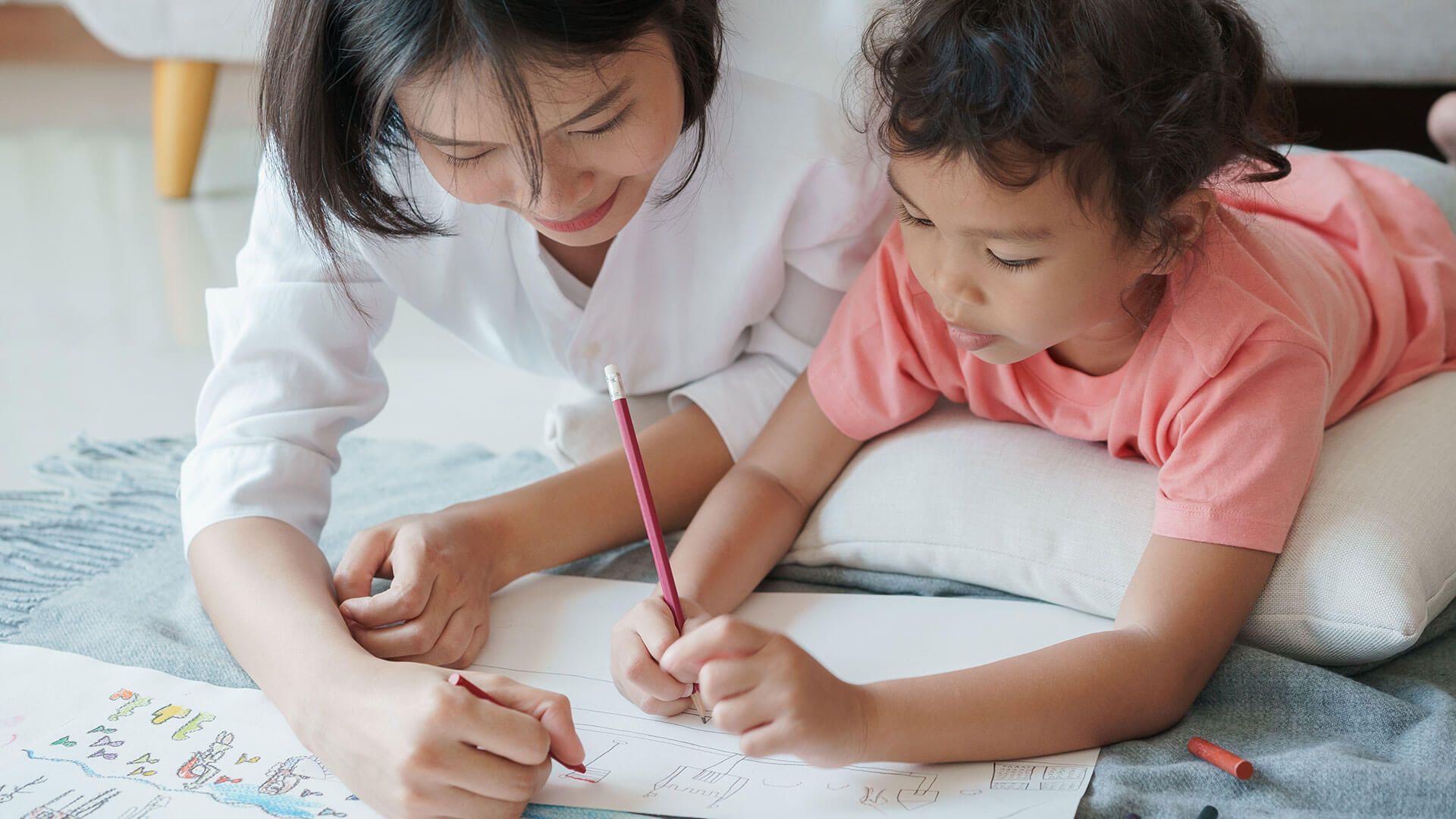
Many important learning skills are built long before children understand exams or grades. Small, repeated routines at home quietly shape discipline, focus, and follow-through over time.
This can begin with simple, age-appropriate responsibilities, such as packing school bags the night before or keeping track of stationery and homework. These everyday actions help children take ownership of their tasks, one small step at a time.
Organisation and planning can also be introduced gently through familiar routines such as having a consistent place for school items, talking through the next day’s schedule, or setting regular time for reading. Together, these habits help children understand that preparation today makes tomorrow easier.
Learning Beyond Textbooks
Not all learning comes from textbooks or worksheets. In fact, some of the most meaningful lessons happen when children explore beyond the page.
Reading for enjoyment, collecting items, or working on creative projects such as finger painting and sensory play allows children to discover what genuinely excites them. As Albert Einstein famously said, “Learning is experience. Everything else is just information.”
Everyday objects can spark meaningful learning. A coin, a food label, or a weather app can spark conversations about culture, geography, or how the world works. When learning connects to real life, it feels less abstract and makes more sense
Parents as the Invisible Curriculum

Children often learn more from what parents do than from what they are told. The proverb “actions speak louder than words” rings especially true when it comes to learning.
Seeing adults read, learn new skills, ask questions, or stay curious makes learning feel like a natural part of daily life. From a developmental psychology perspective, children absorb behaviours simply by observing others. In many ways, parents’ everyday actions quietly become part of their child’s “curriculum”.
Supporting Education Together With Pos Malaysia
Education does not happen in isolation. It is supported by everyday connections between homes, schools, and communities.
As Malaysia’s national postal and delivery service, Pos Malaysia plays a quiet but meaningful role in helping learning move beyond the classroom, from delivering books and learning materials to sending important documents and certificates.
This community role is further reflected in its education-focused CSR initiatives, such as the Pages-With-Purpose, a collaboration with Books For A Better World at the Kuala Lumpur General Post Office. By giving pre-loved books a second life, the space encourages reading as part of everyday routines and makes learning more accessible to the wider community.
To know more about our educational CSR initiatives and unwavering support for learning and literacy, read the full article here. Through continued collaboration and community-focused initiatives, these efforts reflect Pos Malaysia's long-term commitment to supporting education in meaningful and practical ways.
In conjunction with UNESCO International Day of Education, it serves as a reminder that when families, communities, and systems work together, learning becomes a shared journey; one that extends further and lasts longer.


Follow us on


Download our app


