


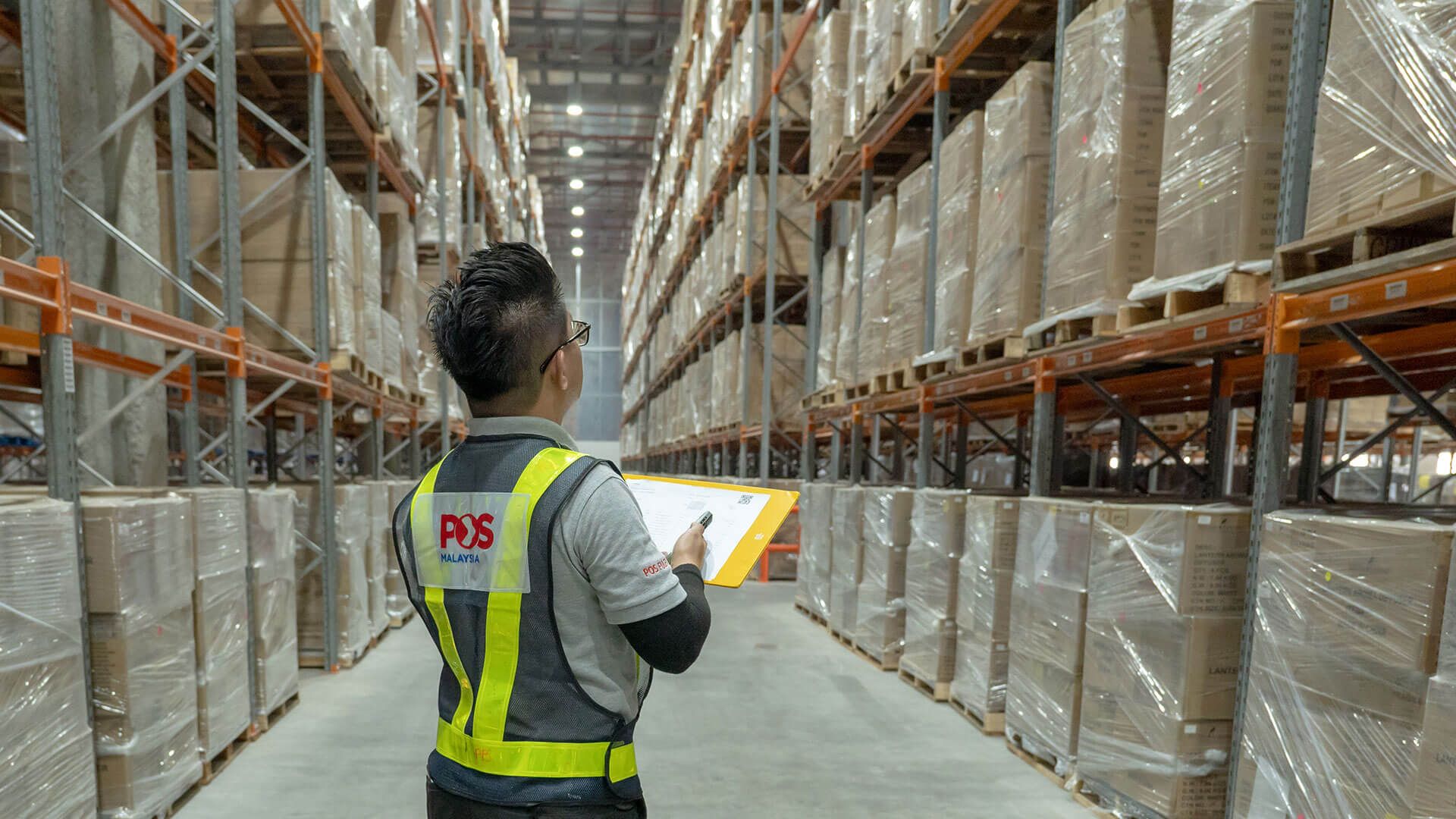




At a certain point in a business's growth, in-house logistics stops being a cost advantage and starts being a constraint. Warehouse space gets consumed. Staff spend more time picking and packing than on sales or product development. Systems that worked at 100 orders a month buckle at 1,000. The question is not whether to build more internal logistics capacity — it is whether that capital and headcount is better deployed elsewhere.
This is the case for outsourcing logistics: not as a cost-cutting measure, but as a strategic reallocation of resources toward the things that actually generate revenue. This guide explains what logistics outsourcing covers, when it makes sense, how to evaluate a logistics partner in Malaysia, and what to expect from outsourcing supply chain services.
Key Takeaways
- 1. Outsourcing logistics transfers warehousing, order fulfilment, inventory management, returns processing, and last-mile delivery to a third-party provider — allowing businesses to redeploy capital and headcount toward revenue-generating functions.
- 2. The real cost of in-house logistics is typically undercounted: fixed warehouse lease costs, technology investment, peak season staffing, and the opportunity cost of management attention are rarely included in basic cost comparisons.
- 3. A fulfilment centre model charges based on actual storage and fulfilment volume — costs flex with business activity, unlike a fixed warehouse lease that runs regardless of utilisation.
- 4. Outsourcing logistics makes the strongest case when fulfilment consumes more than 30% of operational time, when logistics capacity is limiting marketing or sales investment, or when SLA performance is slipping as order volumes increase.
- 5. Choosing a logistics partner is a strategic commitment, not a procurement decision — evaluating geographic reach, technology integration, inventory visibility, pricing structure, and account management quality before signing prevents costly dependencies.
- 6. Pos Malaysia's Pos Fulfill service provides warehousing, fulfilment, and real-time inventory tracking within a single service relationship that includes Pos Laju's nationwide delivery network.
What Logistics Outsourcing Actually Covers
- • Warehousing management: Physical storage of inventory at the 3PL's facility, managed by the logistics partner.
- • Order fulfilment: Picking, packing, labelling, and dispatching orders on your behalf without your team's involvement.
- • Inventory management: Real-time tracking of stock levels, restock thresholds, and quantity by location.
- • Returns processing: Receiving, inspecting, and updating inventory for returned parcels.
- • Last-mile delivery: Pos Malaysia's Pos Fulfill works alongside Pos Laju's domestic delivery network within a single logistics relationship.
The Real Costs of Running Logistics In-House
Fixed costs that do not scale down
A warehouse lease is a fixed cost regardless of utilisation. A fulfilment centre Malaysia model charges based on actual storage and fulfilment volume — costs flex with your activity.
Opportunity cost of management attention
Every hour spent solving warehouse problems is an hour not spent on product, marketing, or sales. At early and mid-stage growth, logistics admin is one of the highest opportunity costs a business carries.
Peak season exposure
Running logistics in-house means your capacity is sized for your peak. 3PLs absorb volume variance across their entire client portfolio, so your peak is their normal. For how festive shipping surges affect fulfilment operations, Pos Malaysia's guide covers how to prepare a business for peak demand.
Technology investment
A modern fulfilment operation requires warehouse management software, inventory tracking, courier integrations, and returns tools. Outsourcing includes access to your provider's technology stack — including Performance Insights on SendParcel Pro.
Thinking about outsourcing but not sure where to start?
Speak to Pos Malaysia's business team for a no-obligation conversation about your current logistics setup.
When Does Outsourcing Logistics Make Sense?
- • Fulfilment is consuming more than 30% of your team's operational time.
- • You are turning down marketing or sales opportunities because logistics is the bottleneck.
- • Your warehouse utilisation fluctuates significantly between peak and off-peak periods.
- • You are planning expansion into new markets — including rural Malaysia or East Malaysia without existing logistics infrastructure.
- • Your SLA performance or customer satisfaction scores are slipping as order volumes increase.
How to Evaluate a Logistics Partner in Malaysia
Warehouse Fulfilment vs. Fulfilment Centre Malaysia: What Is the Difference?
Warehouse fulfilment typically uses a dedicated space for a single brand. A fulfilment centre is a shared 3PL facility where multiple client inventories are processed under one roof using shared infrastructure.
For most Malaysian SMEs, a fulfilment centre model is more cost-effective because there is no minimum volume commitment to justify fixed warehouse costs. You pay for what you use.
Pos Malaysia's Pos Fulfill e-commerce fulfilment service operates on this model — businesses access secure warehousing, order fulfilment, and real-time inventory tracking without building or leasing warehouse space independently.
What Outsourcing Supply Chain Services Looks Like in Practice
- 1. Onboarding: Transfer inventory to the 3PL's facility and configure system integration between your store and their warehouse management platform.
- 2. Inventory sync: Stock levels in your store tie to real-time inventory at the fulfilment centre. When stock drops below threshold, you are alerted to restock.
- 3. Automated order processing: Orders are automatically sent to the fulfilment centre, picked, packed, and dispatched — typically within 24 hours. See how parcel tracking automation works at the courier level.
- 4. Performance monitoring: You retain visibility into fulfilment speed, on-time delivery rates, and exception rates through Performance Insights on SendParcel Pro.
- 5. Ongoing optimisation: A competent logistics partner flags issues before they become customer problems — restock alerts, elevated exception rates in specific zones, or packaging configurations driving damage claims.
What to Look for When Choosing a Courier as Part of Your Logistics Setup
If you are not yet ready to outsource warehousing but want to improve delivery operations, evaluating your courier relationship is a strong starting point. The right business courier service underpins everything else in your fulfilment chain — SLA performance, customer experience, and cost per delivery.
For businesses shipping to both urban and rural markets, including East Malaysia, the courier's geographic coverage is as important as speed. A courier that reliably delivers nationwide — including rural postcodes and East Malaysia — removes a common growth ceiling for Malaysian e-commerce businesses.


Follow us on


Download our app


